
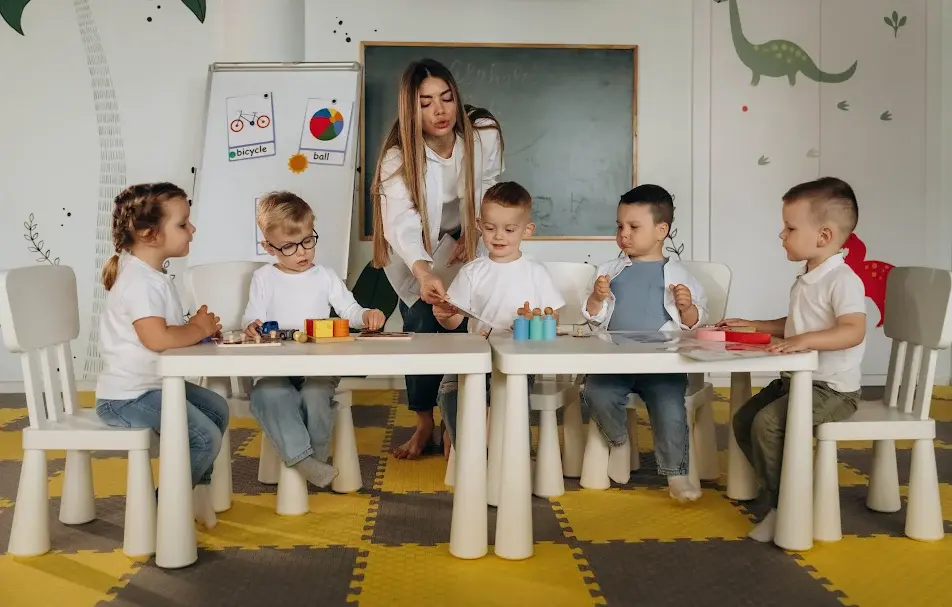
If you are a parent wondering what age kids start preschool, you are definitely not alone. This is one of the most common questions parents ask when thinking about early education. With so many programs, philosophies, and enrollment requirements, it can feel confusing to decide when your child is truly ready. The truth is that there is no one-size-fits-all answer; the right age depends on factors such as your child, the program, and the goals you have for early learning.
Some children step into preschool at age three, while others begin closer to four. Parents also consider their child’s social skills, speech development, and ability to follow simple routines. Choosing a preschool like Little Companions Daycare, which offers the best child care services, can help ensure your child feels confident and prepared, as every child grows at their own pace rather than feeling overwhelmed.
Preschool Age Ranges
Preschool programs typically open their doors to children between the ages of 3 and 5. However, this range is not strict and represents the most common age group. Research on early childhood development shows that this age range aligns with a child’s growing independence, curiosity, and readiness to learn through play-based activities.
Some programs accept toddlers as young as 2.5 years old, often called “early start” or “pre-preschool” programs. These programs generally focus on gentle routines, social interaction, and sensory learning rather than structured academics. If your child is not yet potty-trained or has difficulty separating from you, a transitional program may be a smoother first step.
By age four, many children have the emotional maturity, communication skills, and attention span to benefit fully from preschool. They tend to be more eager to explore, better at listening to teachers, and more comfortable interacting with peers.
Factors for the Right Age to Start Preschool
Although age 3 is often seen as the traditional starting point, the decision depends on several factors:
1. Social Readiness
Some children thrive in group settings early, while others take more time to warm up. If your child enjoys playing with other kids, can share toys, and responds well to simple instructions, they may be ready sooner than you think.
2. Emotional Development
Children who start preschool should ideally handle short separations from parents and feel secure in new environments. A child experiencing anxiety may benefit from waiting a little longer or starting with shorter sessions.
3. Potty Training Requirements
Some schools require partial or full potty training. If your child is still learning, you may need a flexible program or a later start date.
4. Program Structure
Preschools may follow Montessori or Reggio Emilia methods, which encourage independence and self-directed learning, while others may be more academic or play-focused. The right fit matters just as much as age.
5. Family Schedule and Goals
Parents often consider their work schedule, childcare needs, and educational preferences. A top-rated preschool that provides a structured routine can support both the child and the family.
Benefits of Starting Preschool at the Right Age
Starting preschool at an age that matches a child’s development can have significant benefits. Early education supports language skills, problem-solving, creativity, and social-emotional learning. Children learn to share, cooperate, follow routines, and express their needs, essential building blocks for kindergarten.
Parents also notice increased confidence, curiosity, and independence. Guided play and interactive activities strengthen both cognitive and motor skills, preparing children for future academic success.
How to Tell If Your Child Is Ready
Signs that your child may be ready for preschool include:
- Showing interest in playing with other children
- Managing simple tasks like washing hands or putting toys away
- Staying engaged with an activity for several minutes
- Communicating basic needs clearly
- Showing curiosity about exploring new spaces
Every child reaches these milestones at their own pace, so readiness is more important than age alone.
Choosing the Best Preschool for Your Child
Once you have identified the right time to begin preschool, focus on selecting a program that aligns with your child’s needs. Look for trained teachers, safe facilities, clear communication with parents, flexible learning approaches, and a nurturing environment. Visiting classrooms, observing teachers, and asking questions can help you feel confident in your decision.
FAQs
1. At what age do most kids start preschool?
Most children begin between 3 and 4 years old, depending on readiness.
2. Does preschool require potty training?
Many programs prefer it, but some offer flexibility for younger children.
3. Is 2 years old too young for preschool?
Not necessarily. Some programs accept 2.5-year-olds, but these are usually less structured.
4. How long is a typical preschool day?
Programs vary from half-day (2–3 hours) to full-day sessions.
5. Do kids need preschool to be successful in kindergarten?
Preschool helps build foundational skills, but readiness also depends on home support and individual development.
