
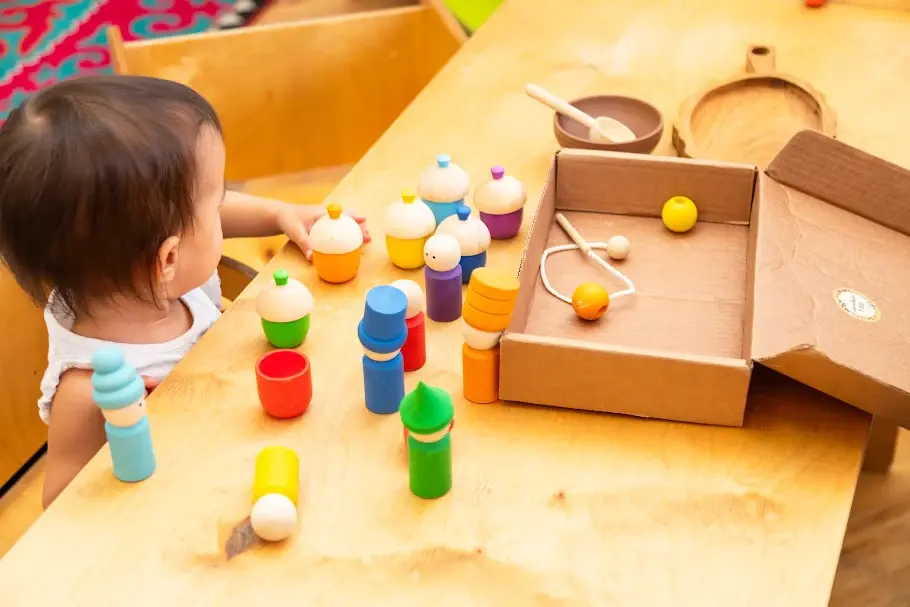
One of the most rewarding experiences for parents, caregivers, and educators is witnessing child development. Children achieve important physical, cognitive, emotional, social, and language milestones as they grow. These milestones help caregivers monitor progress, provide proper guidance, and identify any early concerns.
Every child develops at their own pace, but understanding key developmental stages allows parents to offer the right support, encouragement, and structured activities. At Little Companions Daycare, we aim to promote healthy child development through individualized attention, nurturing care, and educational activities that foster growth across all areas.
Physical Development Milestones
Physical development refers to improvements in strength, coordination, and motor skills. These milestones vary by age but generally include:
| Age Group | Key Physical Milestones |
|---|---|
| Infants (0–12 months) | Roll over, sit without support, grasp objects, lift head and neck |
| Toddlers (1–3 years) | Walk, run, climb, and improve hand-eye coordination through stacking, painting, and simple manipulative tasks |
| Preschoolers (3–5 years) | Gain balance and flexibility, develop fine motor skills to dress themselves, use utensils, and handle objects with precision |
Monitoring these milestones ensures children are developing age-appropriate strength, coordination, and overall physical confidence.
Cognitive Development Milestones
Cognitive growth involves thinking, problem-solving, memory, and learning abilities. Examples of cognitive milestones by age include:
- Infants: Recognize caregivers, respond to sounds, explore with touch and taste
- Toddlers: Understand cause and effect, follow simple instructions, expand vocabulary
- Preschoolers: Count, sort objects, recognize letters, engage in imaginative play
Encouraging cognitive development through reading, interactive games, hands-on experiences, and field trips lays a strong foundation for future learning and academic success.
Language and Communication Milestones
Language skills are closely tied to cognitive development. Typical milestones include:
- Infants: Babble, mimic sounds, use simple words like “mama” or “dada.”
- Toddlers: Form simple phrases, develop a vocabulary of several hundred words
- Preschoolers: Improve vocabulary and grammar, engage in conversations with adults and peers
Supporting language development through storytelling, reading, and interactive dialogue promotes listening skills, social confidence, and effective communication.
Emotional and Social Development Milestones
Unlike language, emotional and social milestones focus on how children interact with others and manage their feelings. Key milestones include:
- Infants: Show attachment to caregivers, respond to emotions, smile and laugh
- Toddlers: Begin sharing, show empathy, follow simple rules in social settings
- Preschoolers: Form friendships, cooperate with peers, regulate emotions, and express feelings appropriately
Encouraging play, group activities, and positive reinforcement helps children develop emotional intelligence, social confidence, and healthy relationships.
Early Signs of Developmental Delays
While children develop at different rates, certain signs may indicate potential delays:
- Limited eye contact or lack of social engagement
- Difficulty with motor skills, such as walking or grasping objects
- Delayed speech or limited vocabulary
- Challenges following simple instructions
Early detection and intervention can significantly improve outcomes. If parents notice persistent concerns, they are recommended to consult a pediatrician or child development specialist.
Nurturing Healthy Child Development
Caregivers can foster growth by:
- Providing age-appropriate activities that promote learning and exploration
- Offering regular reading, problem-solving, and physical play opportunities
- Maintaining healthy sleep routines, nutrition, and a safe environment
- Encouraging social interactions and emotional expression
Engaging children in daily routines and play encourages curiosity, confidence, and lifelong learning skills.
Conclusion
Awareness of key child development milestones allows caregivers to provide informed guidance, identify potential delays, and support children’s growth in all areas: physical, cognitive, language, emotional, and social.
At Little Companions Daycare, we offer a nurturing, safe, and stimulating environment where each child can develop confidence, curiosity, and creativity. Contact us today to learn more about our programs and help your child build a strong foundation for lifelong learning.
FAQs
1. When should kids begin speaking in complete sentences?
Most children start forming short phrases around ages two to three, with vocabulary and grammar continuing to expand throughout the preschool years.
2. How can I efficiently monitor my child’s developmental milestones?
Keep a notebook or use trusted child development apps to track progress. If concerns arise, consult a pediatrician or developmental specialist.
3. What happens if my child doesn’t reach specific milestones on schedule?
Every child develops differently, but persistent delays should be evaluated by a pediatrician or child development expert to determine if intervention is needed.
4. What role does play have in a child’s development?
Play is essential for social, cognitive, and physical growth. It encourages creativity, problem-solving, emotional regulation, and interaction with peers.
5. Can technology take the place of face-to-face communication during development?
While technology can support learning, in-person interactions, hands-on experiences, and individualized attention remain crucial for healthy development.
